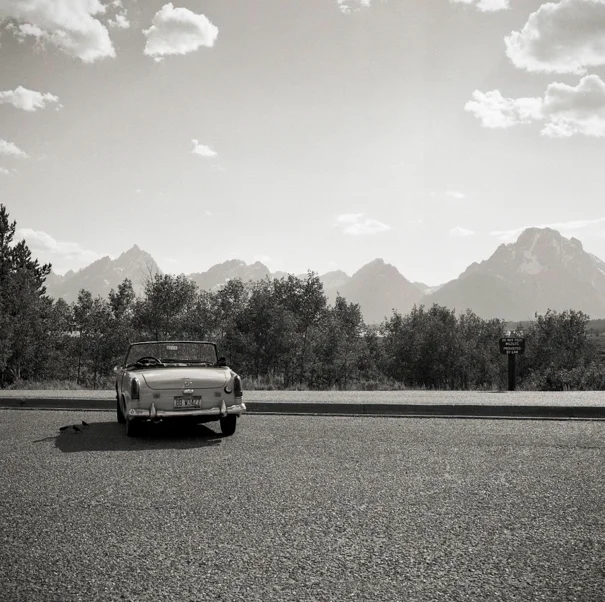
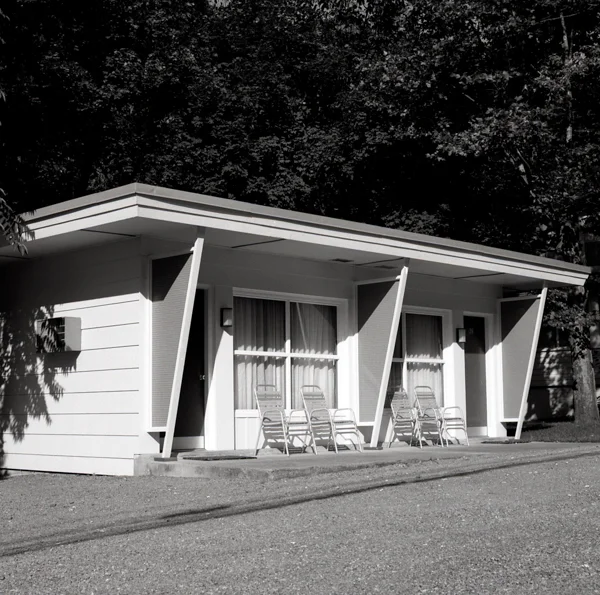
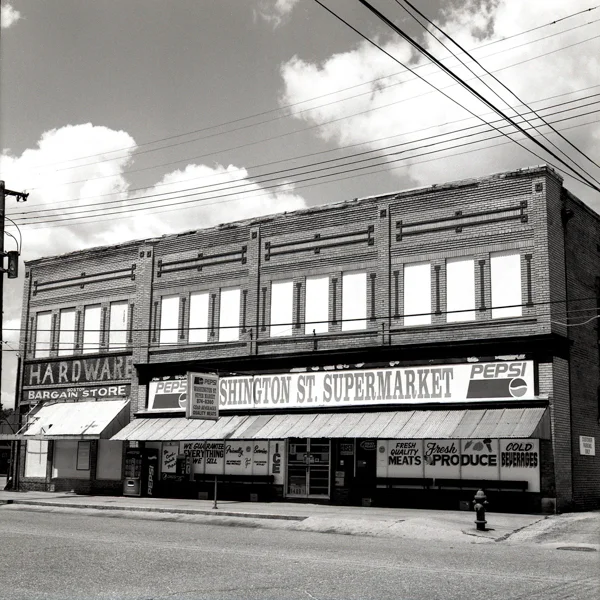
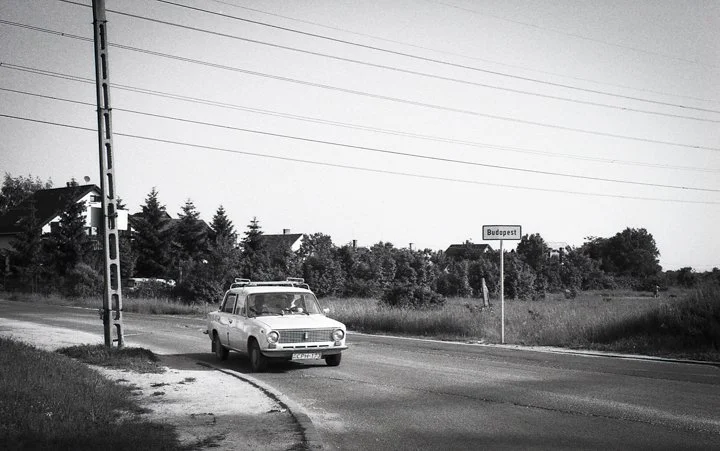
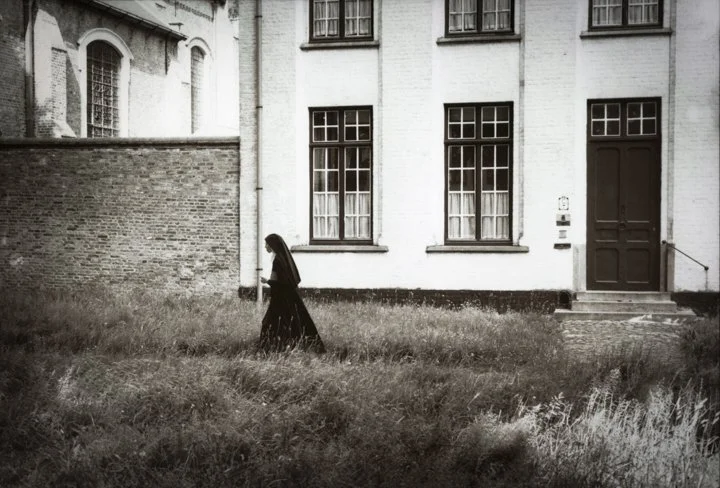
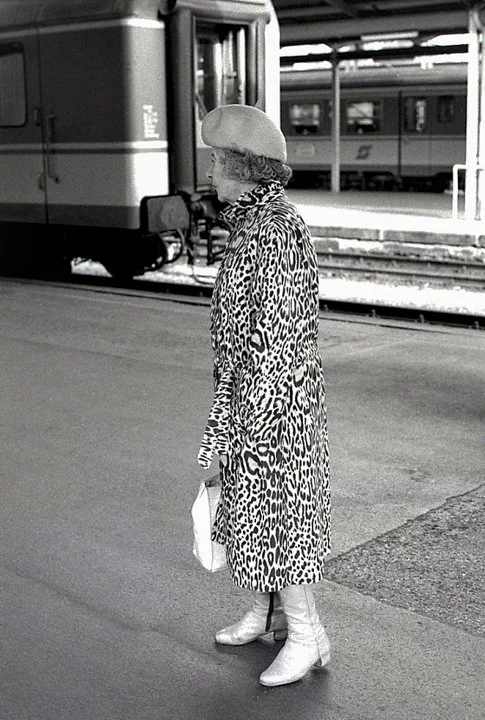
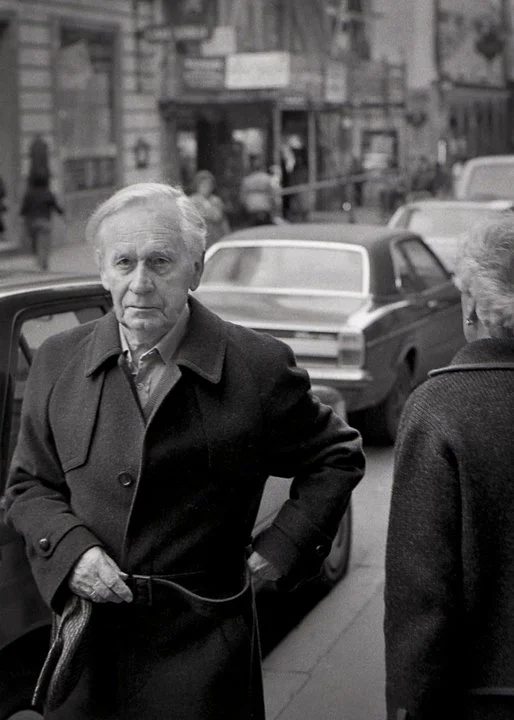
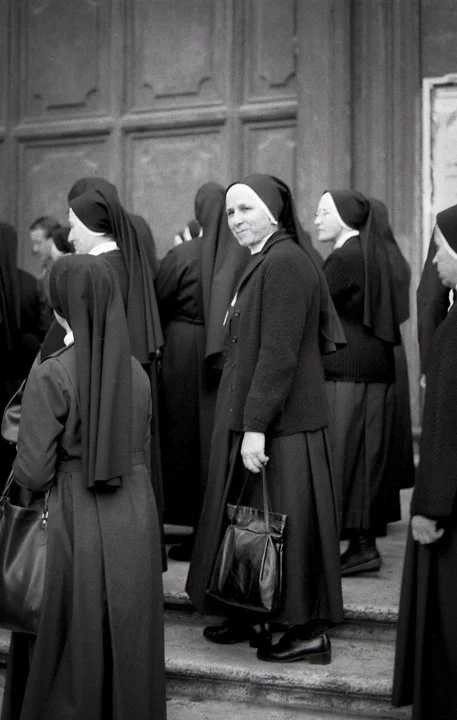
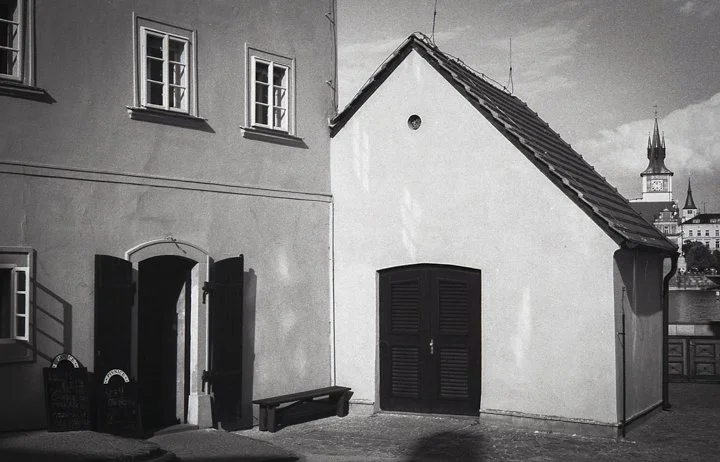
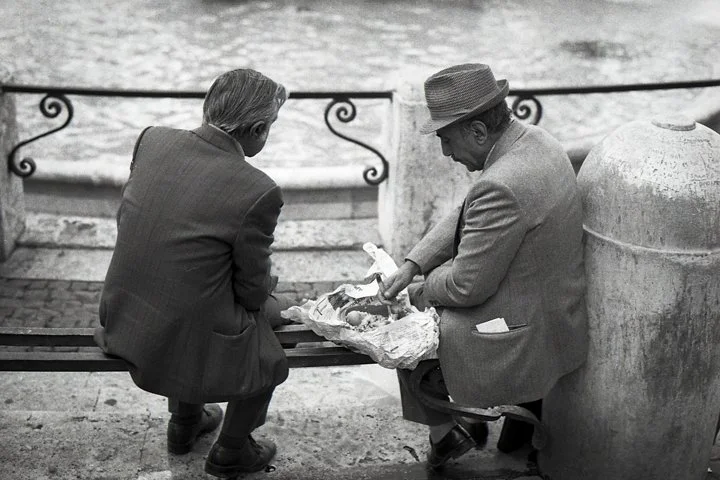
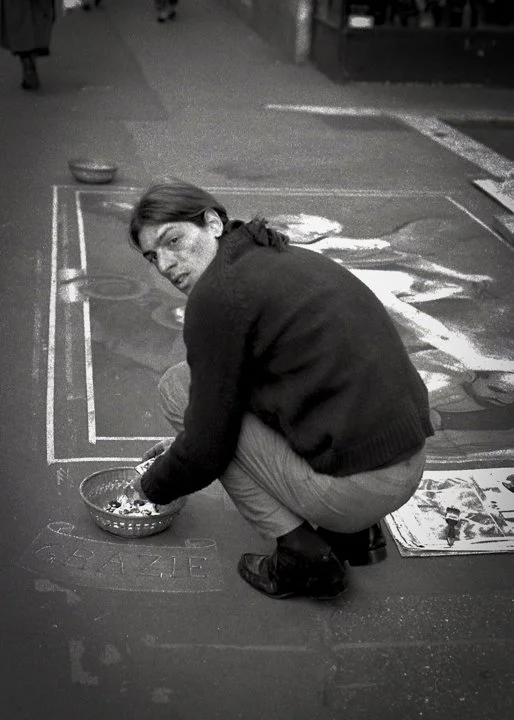
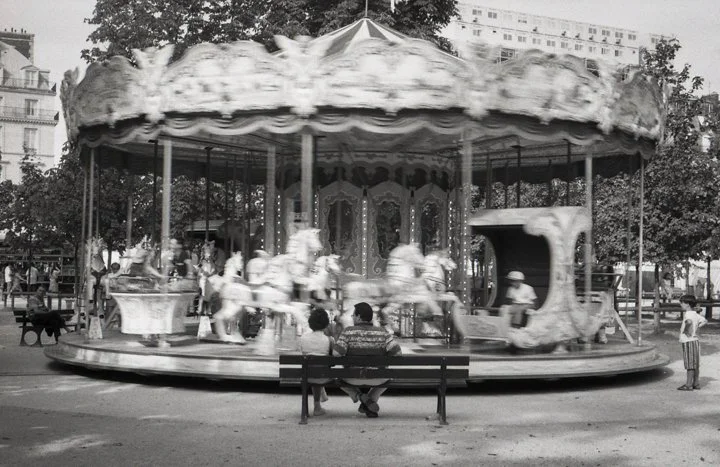
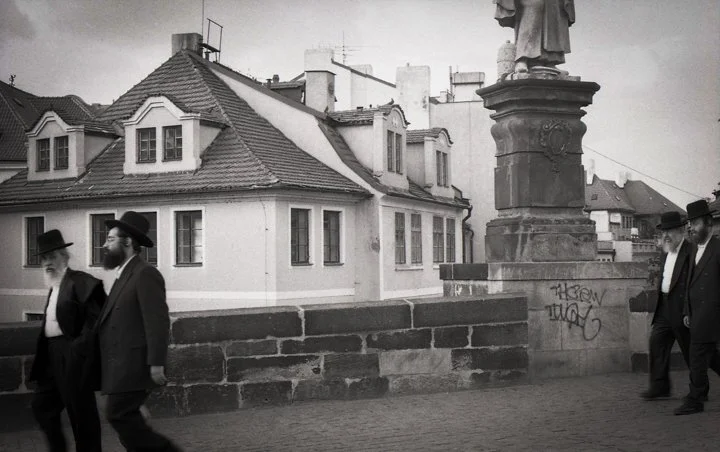
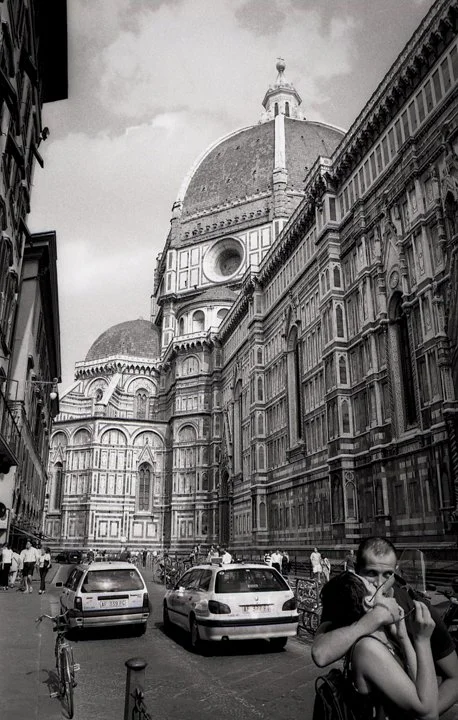
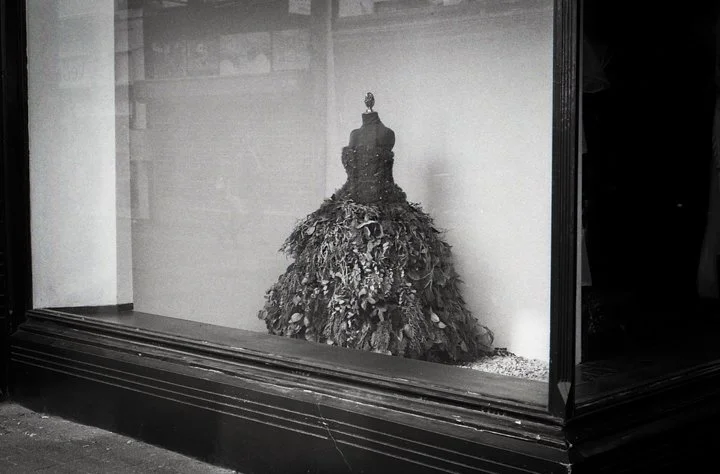
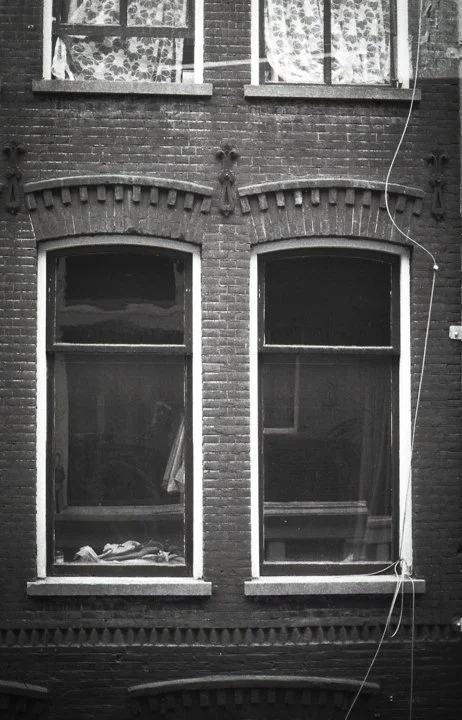
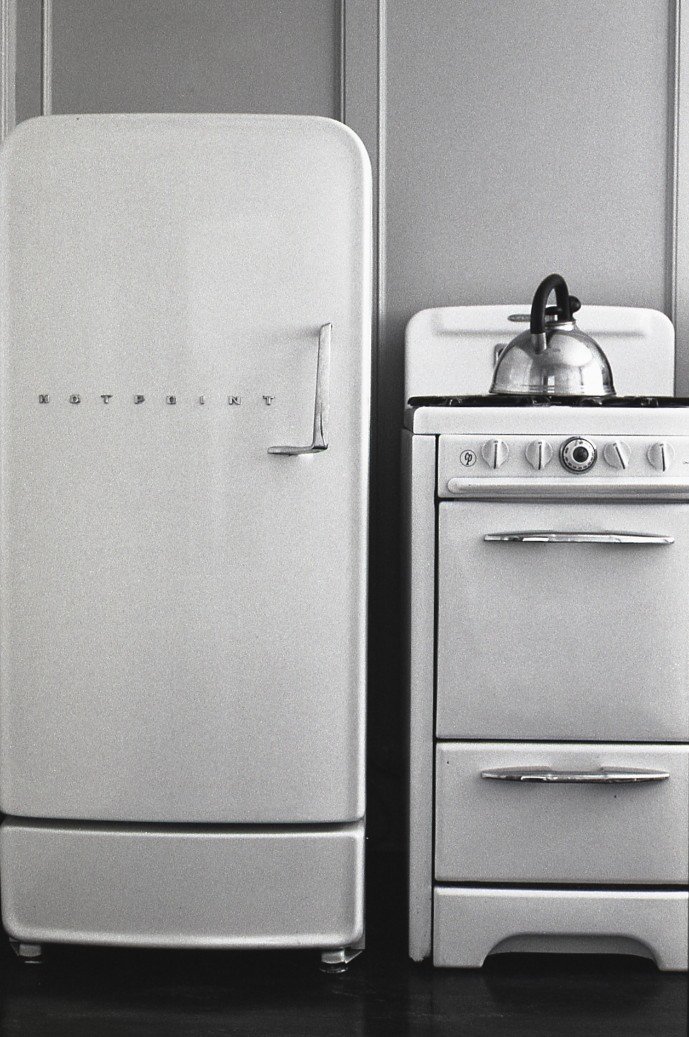
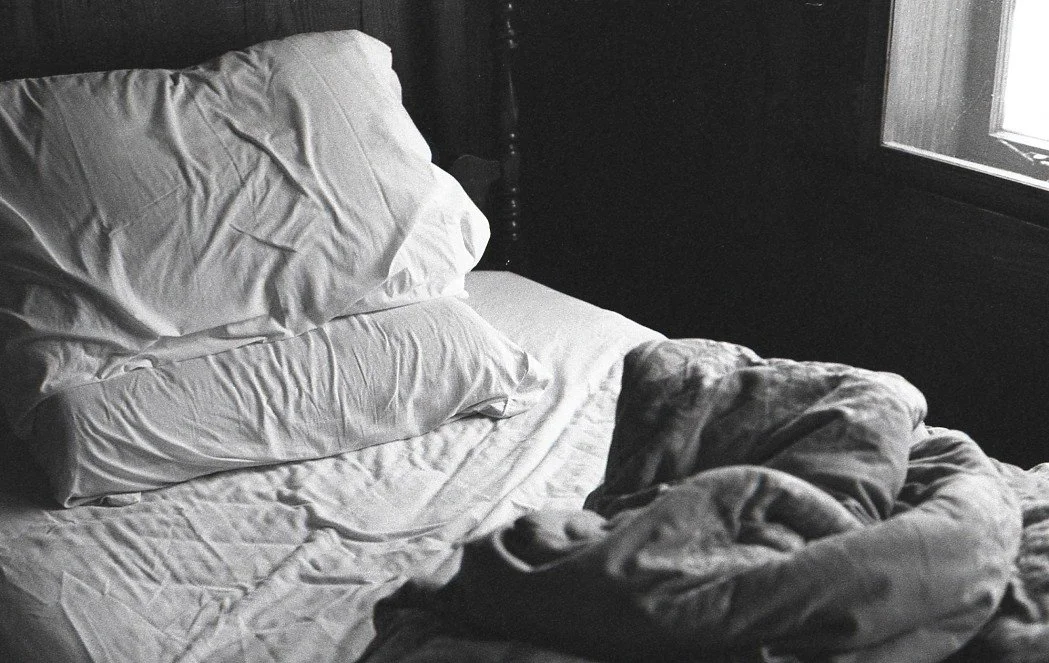
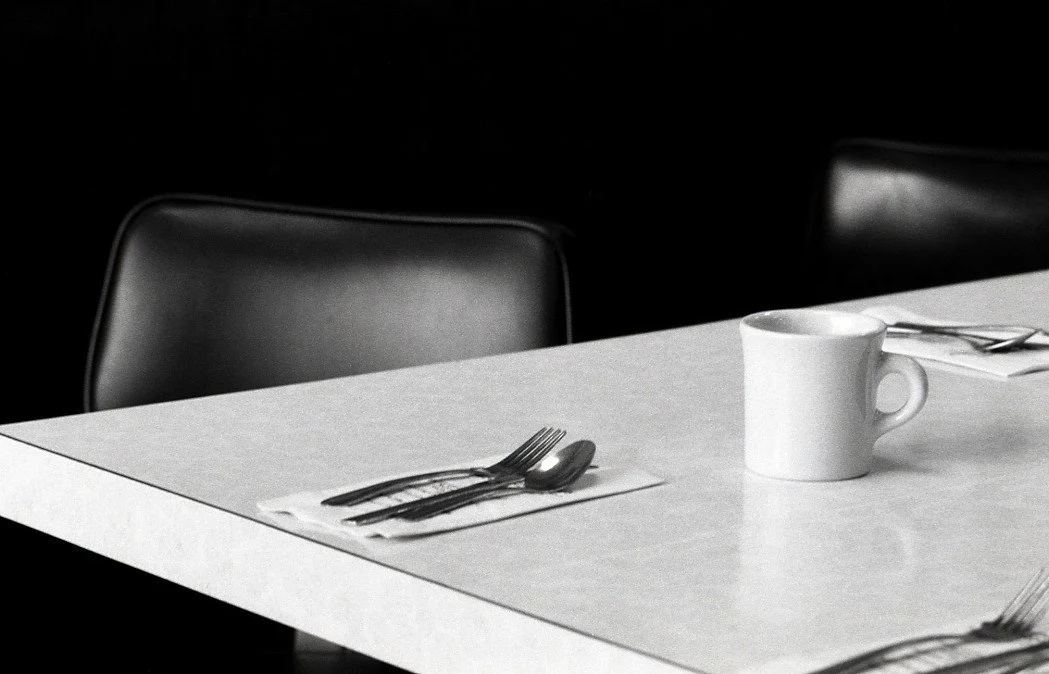
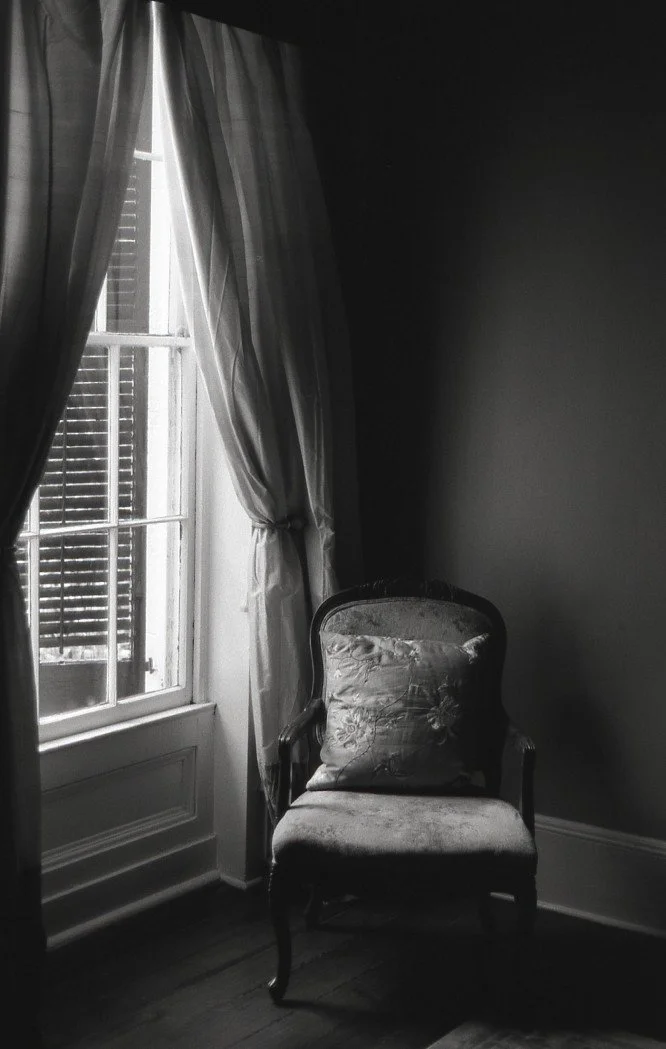
If we allow ourselves an anthem, this would be mine.
"Oh, the passenger
He rides and he rides
He sees things from under glass
He looks through his window's eye
He sees the things he knows are his
He sees the bright and hollow sky
He sees the city asleep at night
He sees the stars are out tonight
And all of it is yours and mine
And all of it is yours and mine
Oh, let's ride and ride and ride and ride"
Iggy Pop
Photographs 1987-1998
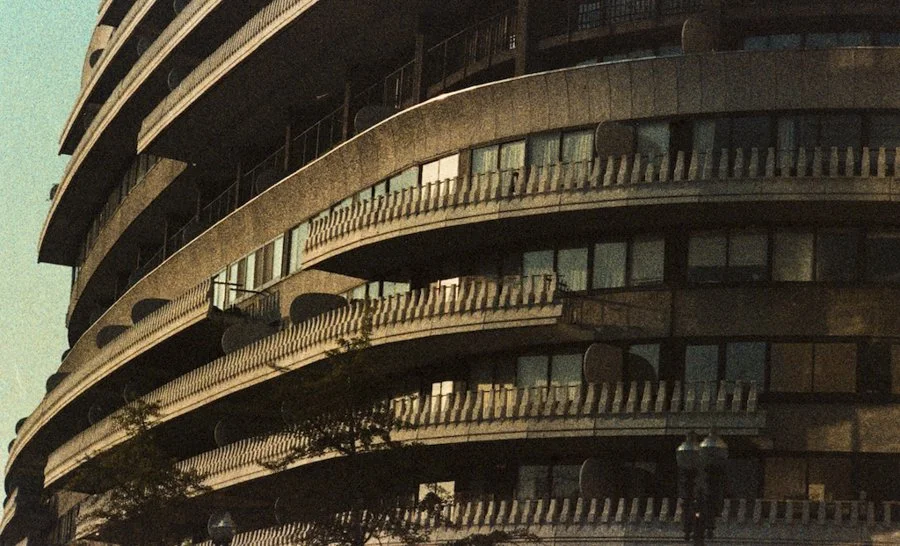
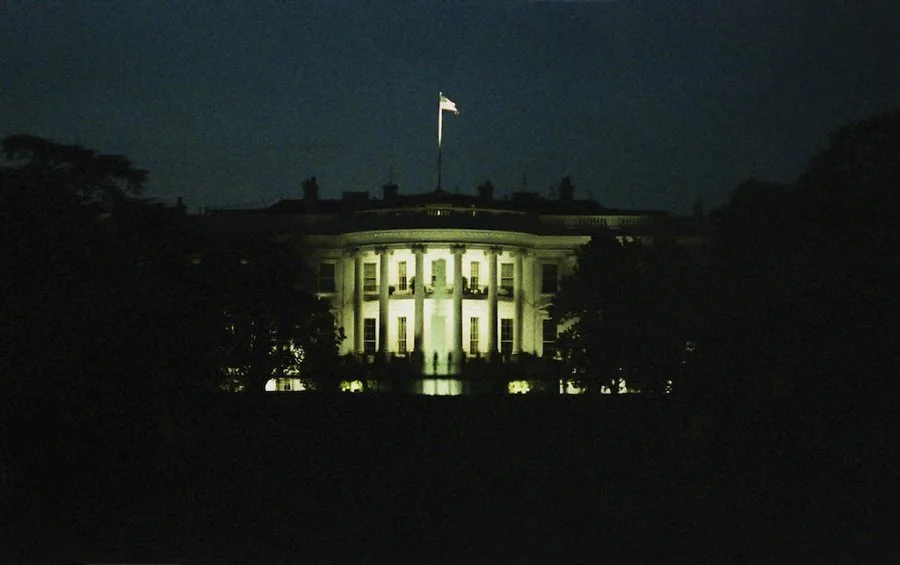
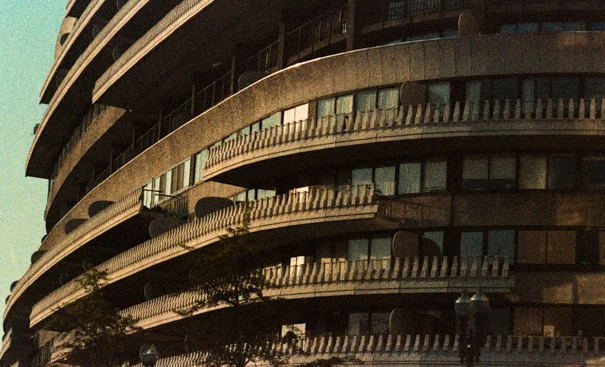
The 1972 botched break-in of the Democratic National Headquarters in the Watergate Office Complex led to the only resignation of an American president. It left a legacy of America’s first constitutional crisis, the beginning of investigative journalism and The Whistleblower. “Watergate” documents some of the key places where the scandal occurred.
On June 17, 1972 five men broke into the Democratic National Committee Headquarters located on the 6th floor of the Watergate Office Building. This act of domestic espionage led to Senate hearings and ended with the resignation of President Richard Nixon in 1974.
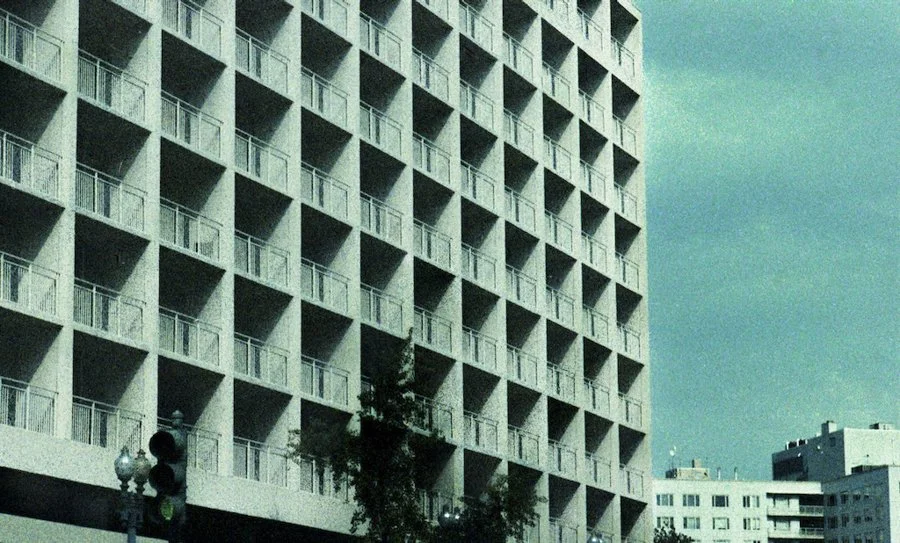
Former FBI agent Alfred C. Baldwin had been recruited by James W. McCord to monitor the bugged phones of the Democratic National Committee Office. Baldwin was stationed across the street in room 723 of the Howard Johnson’s Hotel. On the evening of the break- in Baldwin signaled the burglars when it was clear to enter. For his star witness testimony, Baldwin was given immunity from prosecution.
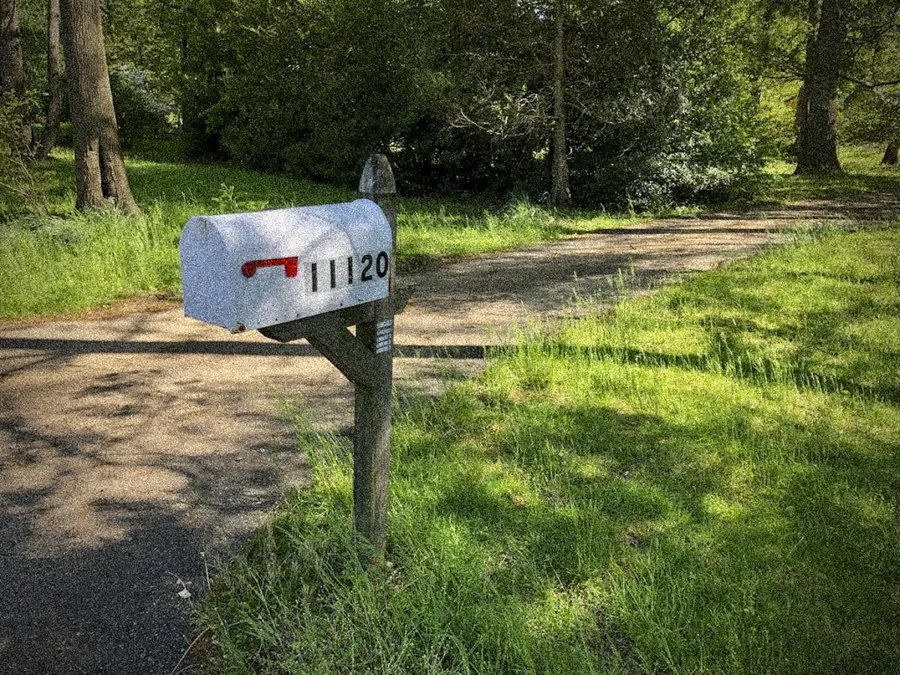
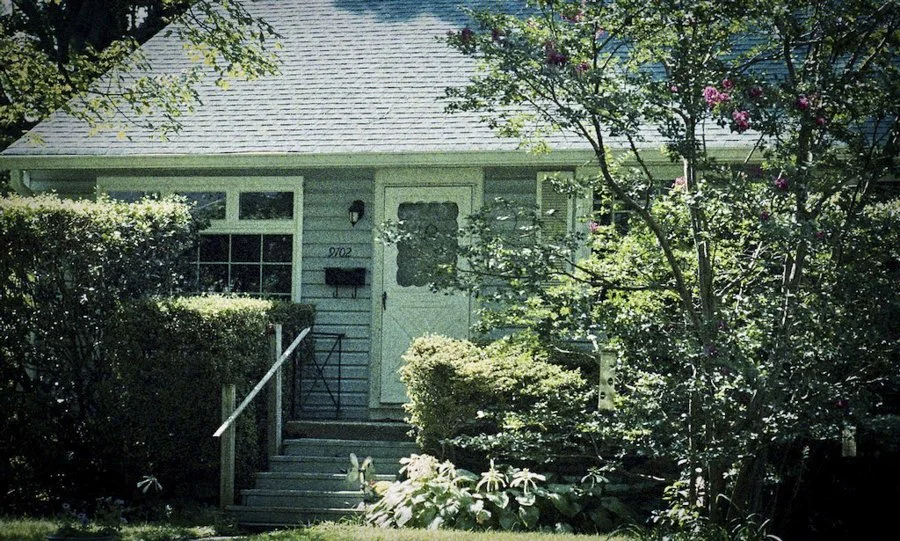
Former boarding house of Frank Wills. Wills was working as a security guard at the Watergate Office Building. In the early hours of the morning of June 17, Wills noticed a piece of duct tape on one of the door locks when he was making his first round.The tape was placed over the bolt to prevent the door from latching shut. He removed the tape and continued on his patrol. Thirty minutes later, Wills returned to the door and noticed there was more tape on the same door. Wills rushed to telephone for the Second Precinct police. Wills plays himself in the 1976 film “All The President’s Men”.
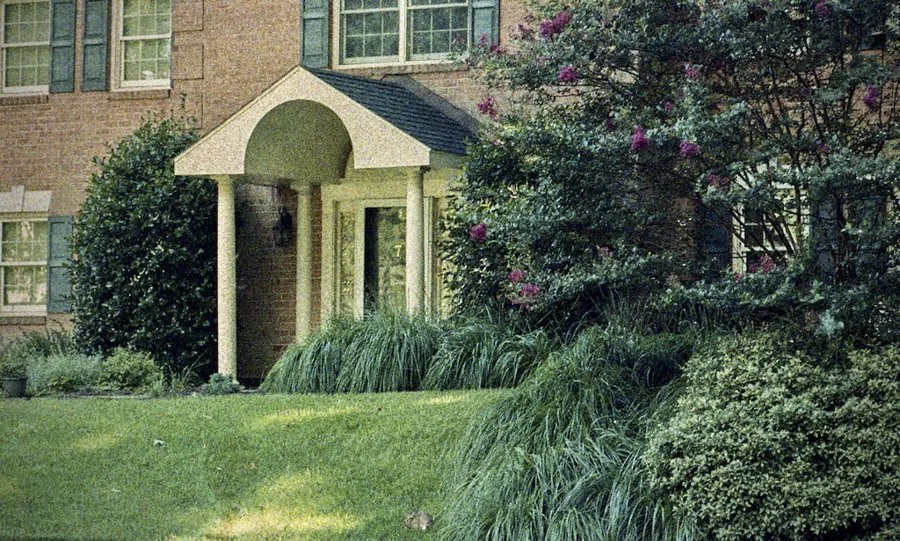
Former home of E. Howard Hunt. Hunt, a former CIA operative, plotted the Watergate burglaries and other clandestine operations for the Nixon administration. Hunt’s team were called “The Plumbers”, a covert White House special investigations unit. Its task was to stop and/or respond to the leaking of classified information. Hunt’s phone number and Watergate Hotel room key were found in the pocket of one of the burglars. For his part In the Watergate scandal, Hunt was convicted of burglary, conspiracy, and wiretapping, and sentenced to thirty three months in prison.
Former home of James W. McCord. After leaving the infamous piece of tape on a door in the Watergate building that alerted a security guard to the break-in, James W. McCord, was arrested the night of the burglary along with the four other Plumbers, pleaded guilty, and was convicted on six counts. However, he later wrote a letter to Judge John J. Sirica claiming that the defendants had pleaded guilty under pressure from Nixon’s aides and that perjury had been committed. McCord's allegations that the White House knew of the burglary and cover up were crucial in causing investigators to push further.
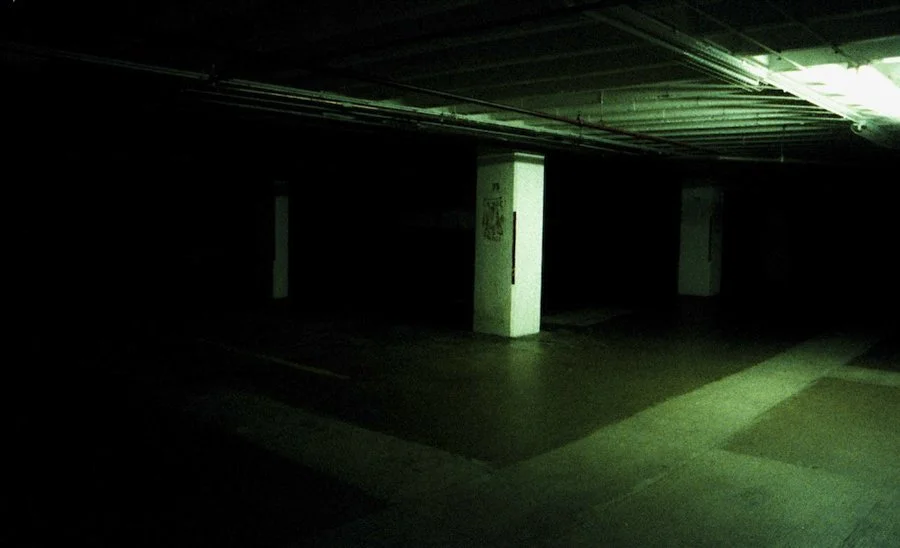
From 1972-1973, Washington Post reporter Bob Woodward met with an anonymous source in this underground garage. Nicknamed "Deep Throat", the informant gave information about President Nixon's involvement in the Watergate scandal. In 2005, "Deep Throat" was revealed to be former FBI Associate Director Mark Felt. The moniker came from Washington Post editor Ben Bradlee who named the source after a popular X-rated movie character.
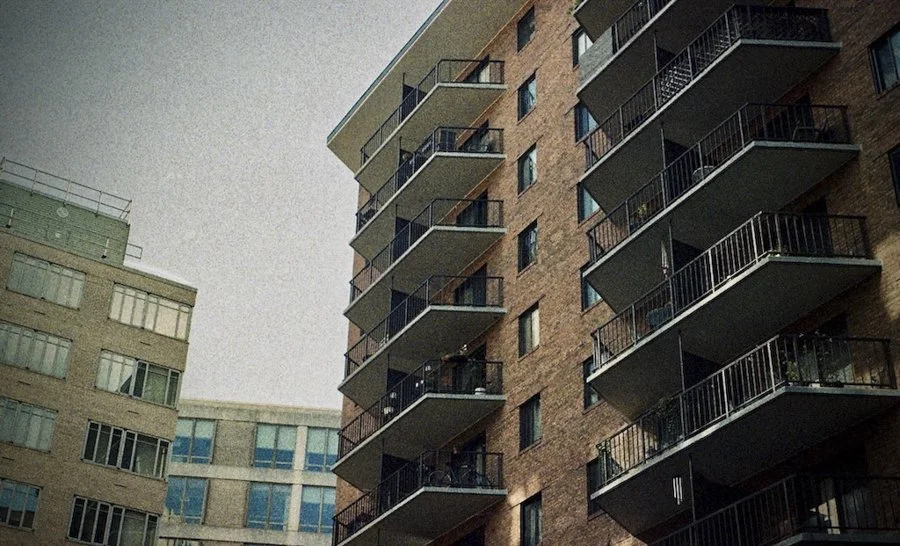
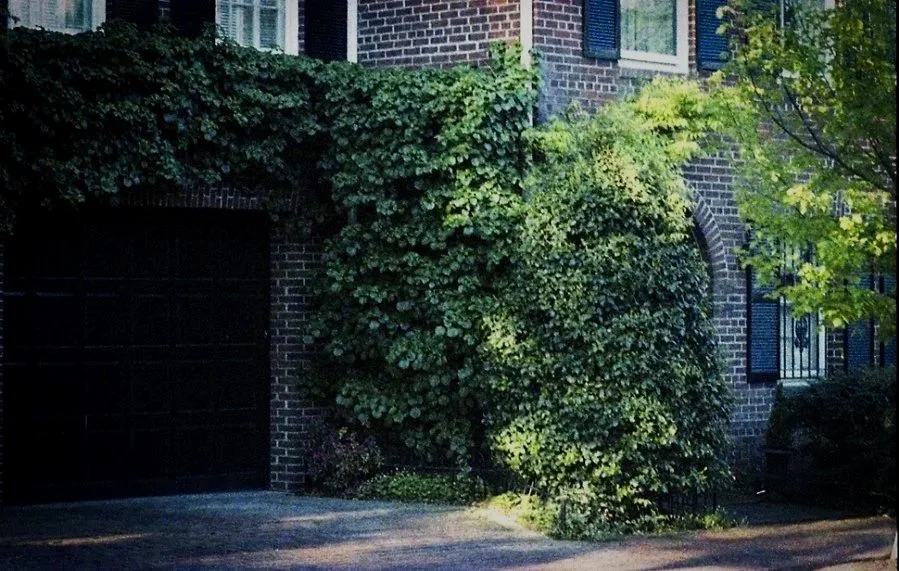
Former home of Washington Post reporter, Bob Woodward. Woodward claimed he would signal his undercover source, "Deep Throat" that he desired a meeting by placing a flowerpot with a red flag on the balcony of his apartment. When “Deep Throat” wanted a meeting he would make special marks on page twenty of Woodward's copy of The New York Times and would circle the page number and draw clock hands to indicate the hour.
Former home of Judy Hoback. The book keeper for Nixon’s Committee to Re-Elect the President, Hoback was one of the few people who talked freely with Woodward and Bernstein. Allowing them to secretly come to her home for interviews, she stated she was "pretty nervous and scared" and was "frustrated that the truth wasn't coming out". She had notified the FBI and felt it was not handling the investigation properly. Hoback revealed to Woodward and Bernstein that evidence of financial misconduct had been destroyed, and some of the committee members were receiving payouts from a secret fund.
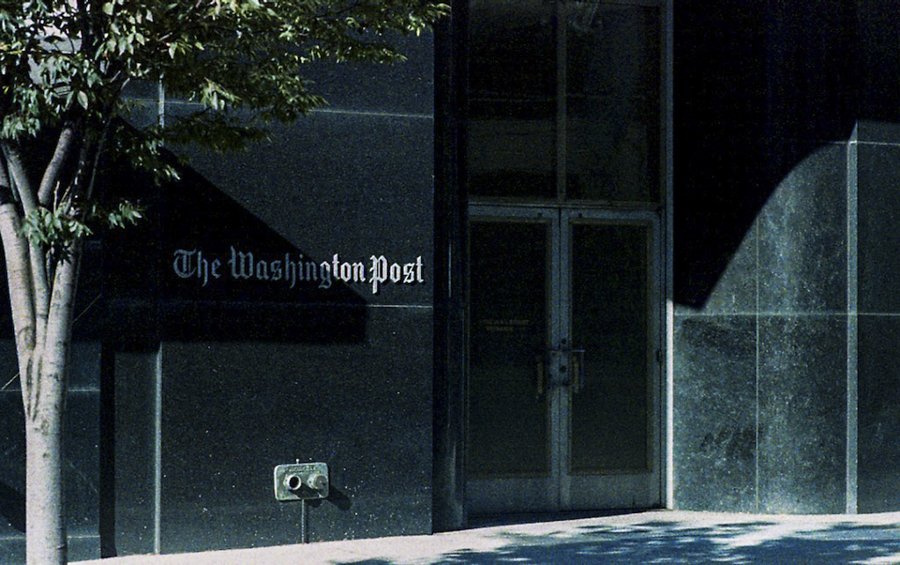
Washington Post reporters Bob Woodward and Carl Bernstein led the press' investigation into what became known as the Watergate Scandal; reporting in the newspaper greatly contributed to the resignation of President Nixon and criminal convictions for many involved.
Former home of H. R. Haldeman. Nixon considered his Chief of Staff, Haldeman as a brother. He was ordered by Nixon to cover up the break-in. Nixon requested his resignation and Haldeman served eighteen months for conspiracy, obstruction of justice and perjury.
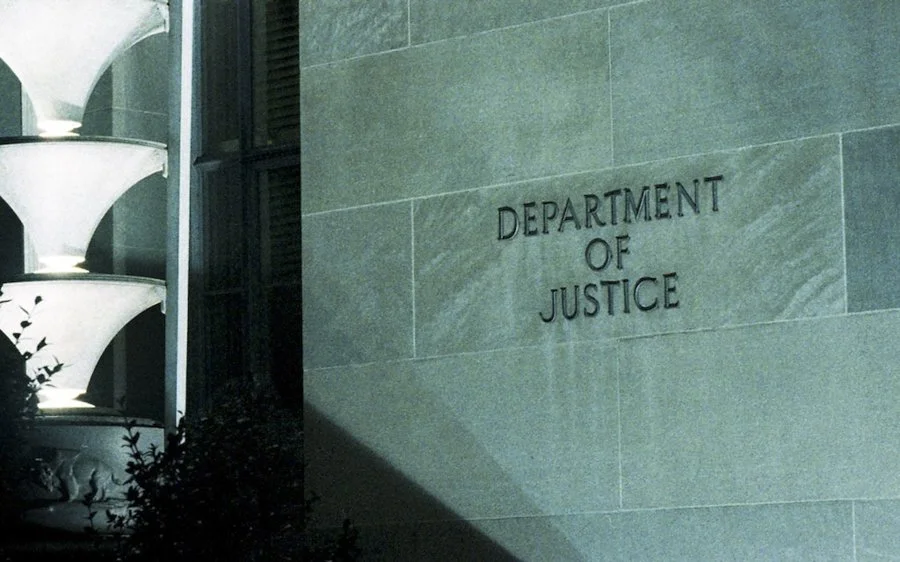
On Saturday October 20,1973 Nixon ordered the firing of Special Prosecutor Archibald Cox, leading to the resignation of both the Attorney General and Deputy Attorney General. Nixon fired Cox after Cox subpoenaed the secret White House tapes which held key info in the case against Nixon.
During the Watergate Hearings it was disclosed Nixon had a hidden recording system in the Oval Office. The Supreme Court subpoenaed the tapes and the most damaging recording, known as the "smoking gun," revealed Nixon instructed his top aides to obstruct investigations into the Watergate break-in. On August 9, 1974, Richard Nixon resigned from office. Facing certain impeachment and removal due to his involvement in the Watergate scandal cover-up, he chose to resign to save the nation from a prolonged constitutional crisis. The Watergate scandal resulted in 69 government officials being indicted and 48 individuals or corporations pleading guilty or being convicted of crimes. These convictions and guilty pleas spanned charges of conspiracy, obstruction of justice, perjury, illegal wiretapping, and campaign finance violations. Nixon was pardoned by his successor and former Vice President Gerald R. Ford.
Homage to photographer Eugene Atget (French 1857-1927)
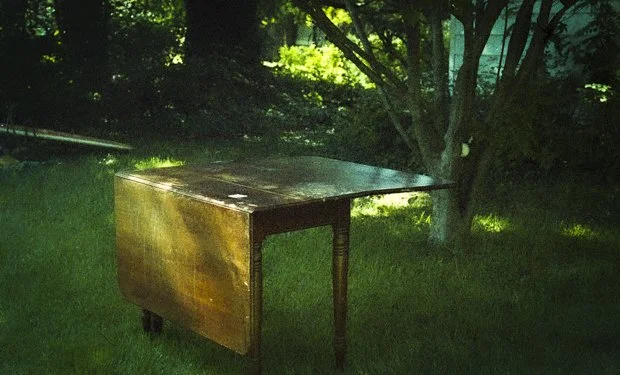
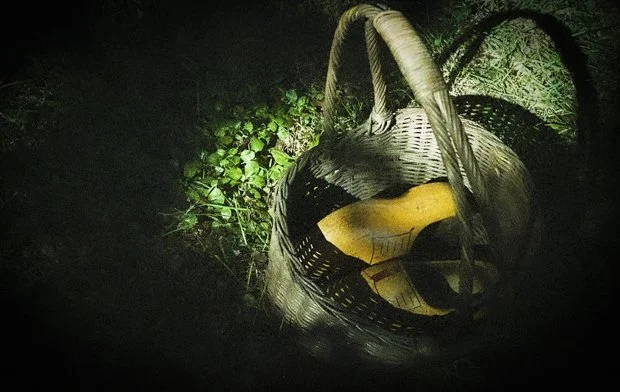
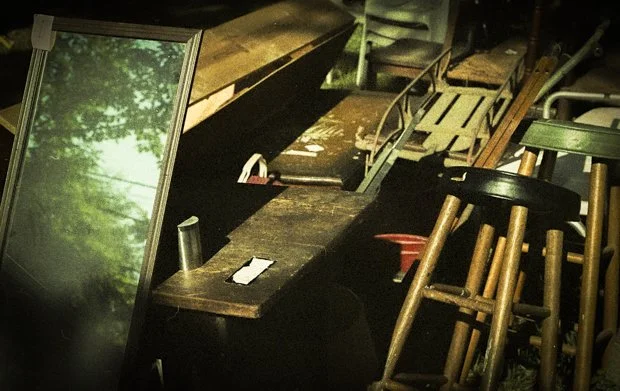
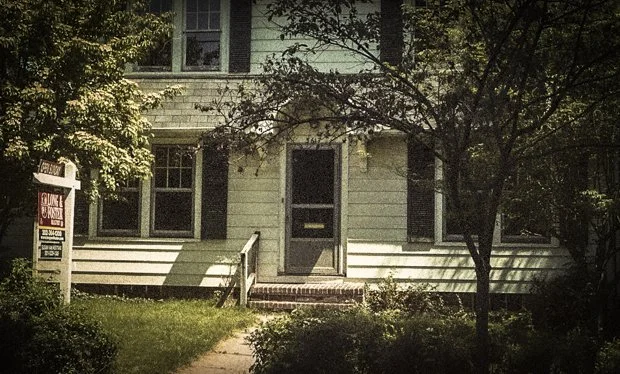
Frank was my neighbor. He was old. He was Dutch and spoke with a crisp accent. He was a Psychiatrist and rode a bike. He was mercurial. I mowed his grass. He lived alone. He died alone. There was a memorial at his house. Then a yard sale. Then the house was sold.